Tel:13506427476
  Email:13506427476@139.com


Composite anti-corrosion grounding device
Composite anti-corrosion grounding device
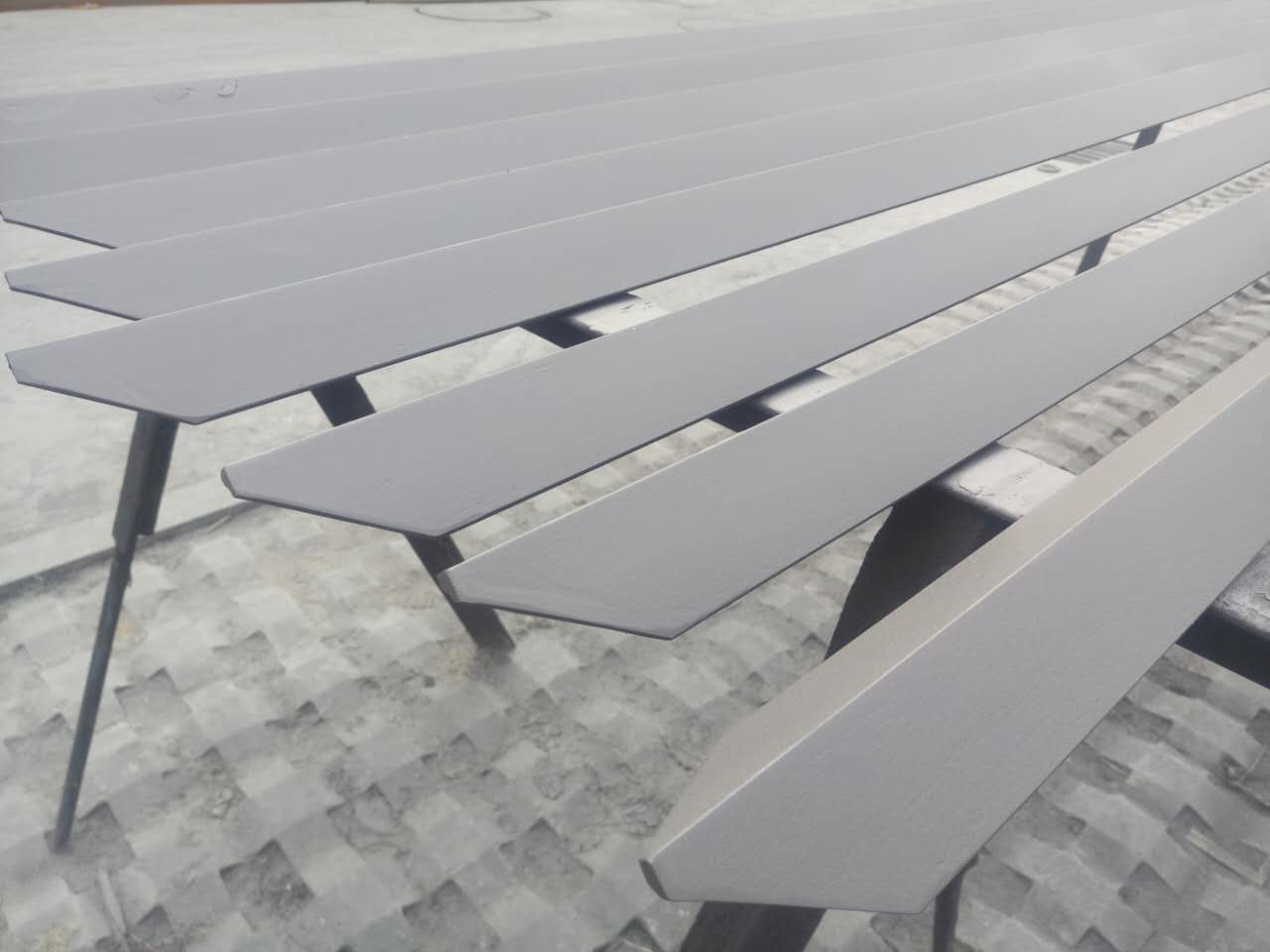
The composite anti-corrosion grounding device produced by Qingdao Wind Power Lightning Protection and Resistance Reduction Material Co., Ltd. is a new type of lightning protection grounding material. With its excellent conductivity and stable resistance reduction effect, it has become the main force in lightning protection and grounding resistance reduction in recent years. The composite anti-corrosion grounding device is made of galvanized flat steel or round steel that has undergone anti-corrosion treatment as raw materials, and adopts advanced formula nano carbon conductive coating. It is a high-tech grounding resistance reducing material formed through a series of flow processes such as preheating, spraying, and drying. Composite anti-corrosion grounding devices are widely used in geological environments with high corrosiveness and resistance, such as deep wells in oil fields, refining enterprises, oil storage tanks, wind farms, saline alkali land, swamps, etc.
The characteristics and advantages of the composite anti-corrosion grounding device are as follows:
1. The composite anti-corrosion grounding device has excellent conductivity and a resistivity close to that of ordinary metals, making it a good medium between metal grounding bodies and soil.
2. The composite anti-corrosion grounding device has super high temperature resistance characteristics, and will not detach when encountering high current impact
3. The composite anti-corrosion grounding device adopts advanced formula, greatly improving the acid and salt resistance of the coating, and is less prone to chemical reactions with other substances
4. The composite anti-corrosion grounding device has excellent surface bonding function. Epoxy and other materials are used as the base material in the coating. Due to the presence of epoxy and ether groups in its molecular structure, it has high adhesion performance and the coating will not peel off.
Construction method of composite anti-corrosion grounding device
1. The burial depth of the vertical grounding body should not be less than 0.8m at the top
2. The buried position of the grounding body should not be less than 1.5m away from the building. When encountering buried grounding bodies such as garbage and ash,
The soil should be replaced and compacted layer by layer.
3. When welding is used for connection, the weld seam at the welding point should be full and have sufficient mechanical strength, without defects such as impurities, undercutting, cracks, virtual welding, pores, etc. After knocking and cleaning the coating at the welding point, apply anti-corrosion coating for anti-corrosion treatment.
4. Drill holes at the location of the grounding body according to the design and insert the grounding body. The installation of the grounding body is strictly prohibited from using the tapping installation method. After the grounding body is installed into the installation hole (well), the backfill soil should not contain stones or construction waste, and should be compacted layer by layer during backfilling.
5. Fill and compact with soil to ensure close contact between the grounding body and the soil, leaving about 20cm at the upper end for connection with the horizontal grounding wire, and conduct inspection.
6. Laying of horizontal grounding wires connecting grounding bodies; Before laying, it should be straightened, and then the grounding wire should be placed in the trench. The horizontal wiring should be connected to the grounding electrode using the designed connection method in sequence. The flat grounding wire should be placed on the side rather than flat. When connecting by welding, the welding slag should be removed after welding, and the surface anti-corrosion coating should be applied to the welded and damaged parts using the process method specified by the factory. Leave sufficient connection length for use at the location where the grounding wire needs to be led out.
7. The exposed grounding wire should be painted black, and the paint should be uniform without any omissions, but the terminal clamps and grounding terminals should not be painted.